
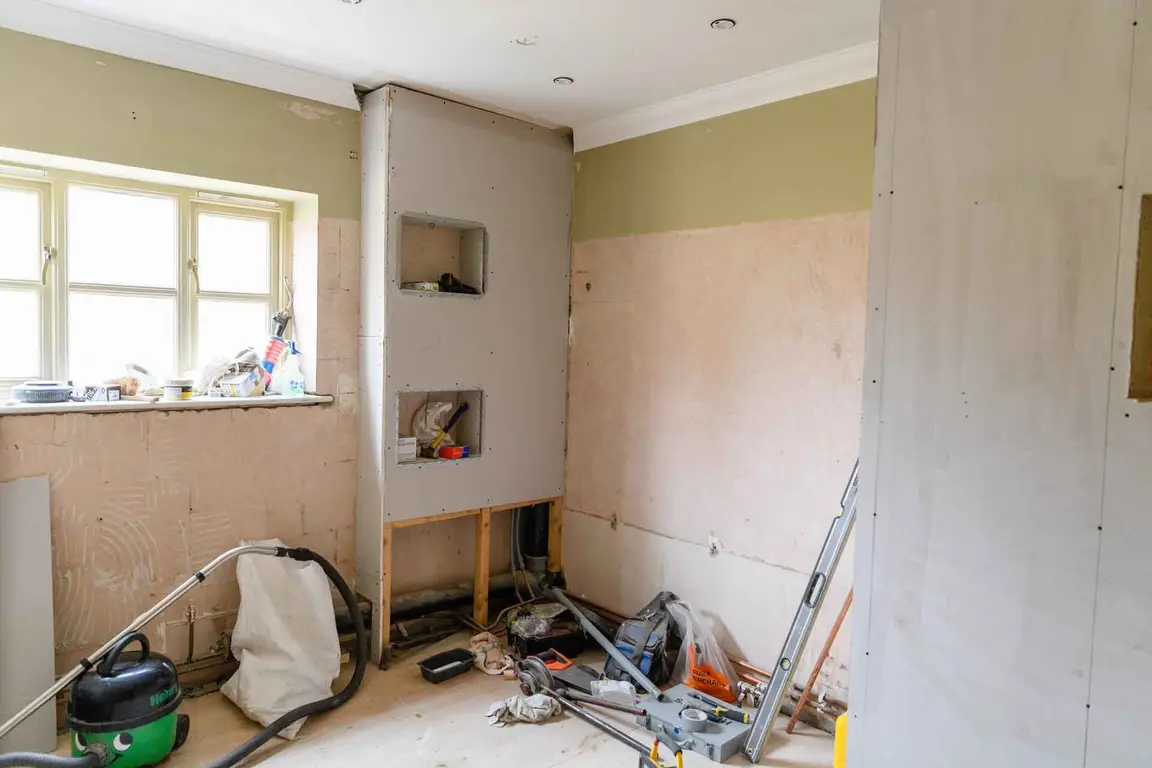
Selling a house with unpermitted work can be a real challenge for homeowners in Allentown. Unpermitted work refers to any renovations, additions, or alterations made to a property without obtaining the required permits from local authorities.
Whether it’s a finished basement, an added bathroom, or a modified kitchen, unpermitted work can create serious complications when it’s time to sell. In this complete guide, we’ll walk you through everything you need to know—from how to get a permit after work is done, to understanding the consequences of unpermitted work, when permits are required, how to check permit history, how to legalize unpermitted work, what the permitting process looks like, and the costs you might face along the way.
How to Get a Permit After Work Has Been Done

Assess the Situation
The first step is to assess the full scope of any unpermitted work on the property. This means identifying all alterations, additions, and improvements that were completed without permits. A thorough inspection by a licensed contractor or home inspector can help uncover these issues. From there, a licensed contractor or architect can evaluate the work, advise on how to bring it up to code, and help you prepare the documentation needed to move through the permitting process.

Contact the Local Building Department
Reach out to your local building department to explain your situation. They can walk you through the steps needed to obtain permits retroactively. This typically involves submitting detailed plans of the completed work and scheduling the appropriate inspections. Based on which city you are in these will vary. The three major ones are in Allentown, Bethlehem, and Easton.

Prepare Documentation
You’ll need to prepare detailed plans and specifications that accurately represent the completed work, along with any corrections required to meet current building codes. Gather all relevant documentation, including drawings, plans, and specifications. If available, locate any original permits or plans issued for other parts of the home—these can help provide important context for the building department’s review.

Submit Permit Applications
Submit your permit applications to the local building department, making sure all required documentation—such as plans, specifications, and work descriptions—is included. Be prepared to pay application fees at the time of submission.

Schedule Inspections
After your permit applications are submitted, the building department will schedule inspections to confirm that the completed work meets current building codes. Depending on the extent of the work involved, multiple inspections may be required.

Make Necessary Corrections
If inspections uncover code violations or deficiencies, you’ll need to address them to bring the property up to code. This may require hiring licensed contractors to ensure the work is done properly. Once corrections are complete, you’ll need to schedule follow-up inspections.

Obtain Final Approval
Once all inspections are passed and corrections are complete, the building department will issue final approval or a certificate of occupancy. This document confirms that the work is fully compliant with local building codes and regulations.
Get an offer today, sell in a matter of days.
Get a Fast, Fair Cash Offer Today
Consequences of Unpermitted Residential Work
Legal and Financial Risks
Unpermitted work can expose homeowners to significant legal and financial risks. If local authorities discover the work, you could face fines, penalties, and orders to remove or correct the violations—a process that can be both costly and time-consuming.
Reduced Property Value
Unpermitted work can lower your property’s market value. Many buyers are deterred when they discover unpermitted work, worried about future legal and financial complications. This can make it difficult to sell your home at a fair price.
Difficulty Obtaining Financing
Most lenders require that all work on a property be properly permitted and compliant with building codes. When unpermitted work exists, it can make it much harder for buyers to secure financing—adding another layer of complexity to the sale.
Complications During Home Inspections
Unpermitted work often raises red flags during home inspections. This can lead to delays, renegotiations, or even a canceled sale if the buyer decides the risk isn’t worth it.
Liability Issues
Homeowners can be held liable for injuries or damage caused by unpermitted work. This includes structural failures, electrical fires, or plumbing issues that result in water damage. These liability issues can lead to expensive and drawn-out legal battles.
Increased Insurance Premiums
Insurance companies may charge higher premiums or deny coverage altogether for properties with unpermitted work. Because unpermitted work is seen as a higher risk—due to potential code violations and safety hazards—insurers often treat these properties differently.
When a Permit is Required for Home Repairs
Common Home Repairs Requiring Permits
- Structural Changes: Any modifications to a home’s structural components—such as adding or removing walls—require a permit.
- Electrical Work: Installing new wiring, outlets, or circuits requires an electrical permit.
- Plumbing Work: Modifying or installing new plumbing systems—including water heaters and sewer lines—requires a plumbing permit.
- HVAC Systems: Installing or replacing heating, ventilation, and air conditioning systems requires a mechanical permit.
- Additions: Building additions—such as new rooms or extensions—require a building permit.
- Roofing: Major roofing repairs or full replacements typically require a permit.
- Windows and Doors: Installing new windows or doors that change the structure or size of openings requires a permit.
- Decks and Patios: Building or modifying decks, patios, or other exterior structures requires a permit.
Minor Repairs Typically Not Requiring Permits
- Painting and Wallpapering: Cosmetic updates like painting and wallpapering generally do not require permits.
- Flooring: Installing new flooring—such as carpet, tile, or hardwood—typically does not require a permit.
- Minor Plumbing Repairs: Small plumbing fixes—like repairing leaks or replacing faucets—usually do not require permits.
- Landscaping: Standard landscaping and gardening work typically does not require permits.
How to Check House Permits

Contact the Local Building Department
The simplest way to check if permits were pulled for work on your home is to contact your local building department. They keep records of all permits issued for properties within their jurisdiction.

Use Online Permit Databases
Many municipalities offer online permit databases where you can search by property address. These tools show issued permits, the type of work covered, current status, and inspection results.

Review Property Records
Review property records—including title reports and previous sale documents—for any references to permitted work. These records can offer valuable insight into past renovations and improvements made to the home.

Hire a Professional Inspector
A professional home inspector can identify unpermitted work and verify whether the necessary permits were obtained. Inspectors are trained to spot signs of unpermitted alterations and can provide detailed reports to help you understand what you’re dealing with.
The Permitting Process
Determine Permit Requirements
Contact your local building department to find out the specific permit requirements for your project. Requirements can vary significantly based on the type and scope of the work involved.
Prepare Permit Applications
Put together your permit applications, including detailed plans and specifications of the proposed work. Make sure all required documentation is complete before submitting.
Submit Applications and Pay Fees
Submit your permit applications to the building department and pay the required fees. Keep copies of all submitted documents for your records throughout the process.
Schedule Inspections
Once permits are issued, schedule inspections at the appropriate stages of the project to confirm compliance with building codes. Inspections may be required before, during, and after the work is completed.
Make Necessary Corrections
If any deficiencies are found during inspections, address them promptly to bring the work up to code. Schedule follow-up inspections as needed to confirm that all corrections have been made.
Obtain Final Approval
After all inspections are passed and corrections are complete, obtain final approval from the building department. This confirms that all work is fully compliant with local building codes and regulations.
Associated Costs
Permit Application Fees
Permit application fees vary depending on the type and scope of work. Typical fees range from $50 to $2,000 or more.
Inspection Fees
Inspection fees are often bundled into the permit application fees, but follow-up inspections may carry additional charges. Typical fees range from $100 to $500 per inspection—which is why it’s important to get the work done right the first time.
Correction Costs
The cost of correcting code violations or deficiencies depends on the nature and extent of the work. Hiring licensed contractors to handle the necessary repairs can range from a few hundred to several thousand dollars.
Penalties and Fines
If local authorities discover unpermitted work, you could face penalties and fines ranging from a few hundred to several thousand dollars, depending on the severity of the violations.
Professional Fees
Bringing in professionals—such as contractors, architects, or inspectors—to help navigate the permitting process will add to your overall costs. Fees vary based on the scope of the project and the professionals you hire.
How iBuyLehigh Can Help
At iBuyLehigh, we know that dealing with unpermitted work can feel overwhelming and expensive. As local cash home buyers, we specialize in purchasing properties as-is—so you don’t need to worry about pulling permits or making repairs. Here’s how we make it easier:
- Fast and Fair Cash Offers: We provide quick, competitive offers so you can move forward without unnecessary delays.
- No Permitting Hassles: We buy homes in any condition, so you won’t need to navigate the permitting process or pay for costly corrections.
- Simple, Stress-Free Process: Our straightforward buying process is designed to make your transaction smooth and transparent from start to finish.
By working with iBuyLehigh, you can sidestep the complications and costs that come with unpermitted work—and sell your house quickly and with confidence.
Selling a home with unpermitted work can be a complex and costly undertaking. From retroactive permitting to potential fines and code corrections, the process requires careful planning and real resources. But if you’re looking for a simpler path forward, iBuyLehigh is here to help. We buy properties as-is, so you can skip the stress and move on with your life. Contact us today to learn more about how we can help you sell your house without the burden of unpermitted work. (484) 549-0019